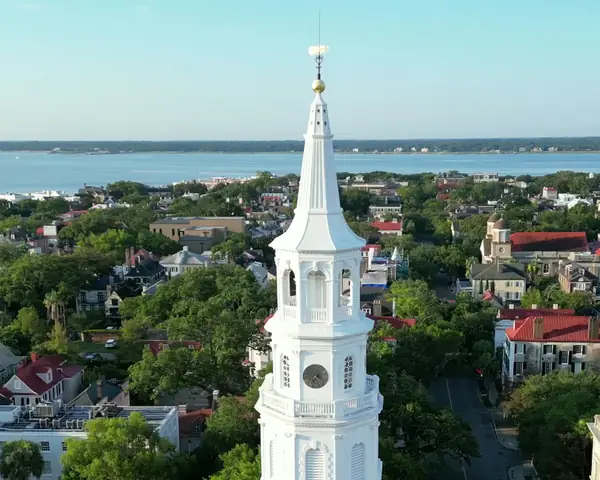
Charleston and the Lowcountry, South Carolina
Charleston SC mold remediation, from the crawl space to the cupola
Fuzz on the floor joists, a sweating AC vent, a musty room after a king tide or a storm? Say what you are seeing and an independent local mold remediation company can come out, find the water and put the job in writing.
- Crawl spaces, storm water, attics and walls
- A written scope before work starts
- Free to ask, no obligation
Request a mold inspection
A few short answers. An independent Charleston company follows up with you directly.
Five Lowcountry questions
A separate guide for each mold problem a Charleston house runs into
Each page answers one question for houses between the Ashley, the Cooper and the Wando, from raised cottages on James Island to slab ranches in Summerville, and ends with what to ask before anyone cuts drywall.
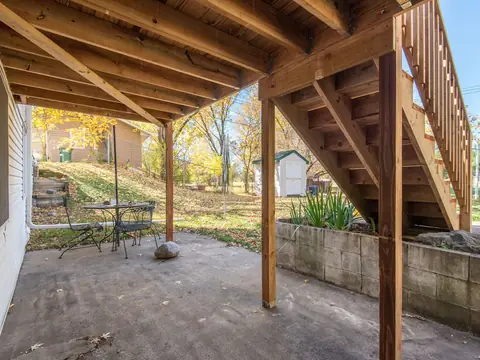
Sweating joists, wet insulation and a vented crawl full of marsh air, and the choice between a barrier and full encapsulation.
Read the guide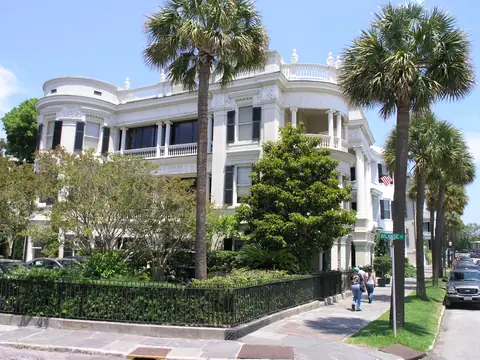
What to tear out, what to dry and what to photograph after a storm surge, king tide or roof leak.
Read the guide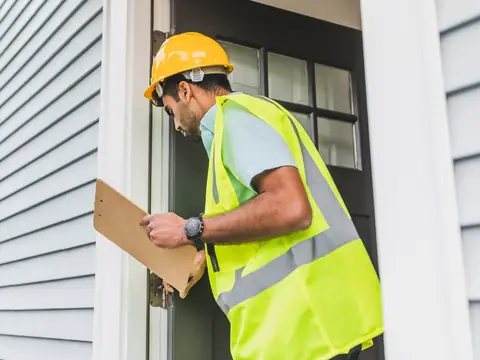
Where an inspector looks in a Lowcountry house, plus a checklist for buying or selling one.
Read the guide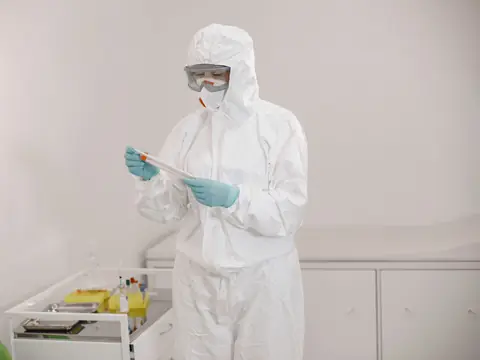
When an air sample tells you something, and how to read the indoor and outdoor numbers.
Read the guide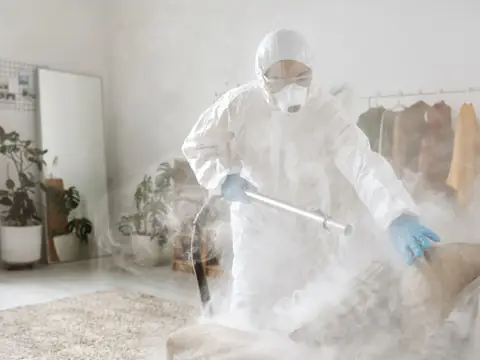
Dark growth on AC vents, joists and bathroom ceilings: what the color does and does not mean.
Read the guide


How a proper job runs
From the first moisture reading to the clearance check
EPA’s remediation guide comes down to two ideas: stop the water, then remove the growth without spreading it. A good Charleston company describes the job in this order, in writing, before the plastic goes up.

- 01
Find the water
Moisture meters and a careful walk through the crawl, the attic and the rooms find what is feeding the growth: a tide line, a condensate leak, a roof flashing, damp air under the floor.
- 02
Measure the area
Under about 10 square feet the EPA says most owners can clean it themselves. Bigger areas, mold in the HVAC or growth after flood water point to a professional.
- 03
Seal it off
Plastic sheeting over doors and vents, and a HEPA-filtered fan holding the work area under negative pressure so spores and dust stay inside it.
- 04
Take out what cannot be cleaned
Wet drywall, insulation and carpet with growth on them are bagged in heavy plastic and carried out. Framing is scrubbed or sanded.
- 05
HEPA clean
Surfaces in the work area are HEPA vacuumed and wiped once the moldy material is gone and everything is dry.
- 06
Dry it down
Dehumidifiers bring the wood back to normal moisture. In a Charleston house this is the step that decides whether the mold comes back.
- 07
Check the result
No visible mold, no musty smell, dry readings and a revisit that shows no new damp. Testing is added when a buyer, landlord or insurer wants a record.
The Lowcountry
Marsh air, raised floors and storm tides
Charleston is humid subtropical, with rain all year and hot, sticky months from June to September. The houses were built for breezes long before air conditioning, and the two do not always get along.

Dew points near 70
The average dew point from June to August runs from 67.8 to 71.4 F. Anything cooler than that, an AC vent, a cold duct, a joist above a chilled floor, collects water.
Half the rain in four months
Almost half of Charleston’s yearly rain falls from June to September as thundershowers, so crawl spaces and wall cavities get little chance to dry out.
Vented crawl spaces
Raised houses breathe outdoor air under the floor through foundation vents. On a muggy night that air meets wood cooled by the AC above and leaves moisture behind.
Storms and high water
Hurricanes are a threat in summer and early fall. Hugo came ashore at Charleston Harbor in 1989 and damaged three quarters of the homes in the historic district.

Peninsula to Summerville
One request reaches a company that works on Lowcountry houses every week
Downtown, West Ashley, the islands, Mount Pleasant, North Charleston and up the 26 corridor. Tell us what you are seeing and where.
In this guide
One short request reaches an independent mold remediation company that works across Charleston and the Lowcountry. Free to ask, no obligation.
Under the floor
Why so many Charleston mold calls start in the crawl space
Drive through the older streets of West Ashley, James Island or the upper peninsula and you will see houses standing a few feet off the ground on brick piers or a block wall, with small vents just above the soil. That open crawl was a sensible way to keep a house dry when nobody had air conditioning. Now most of those houses run their AC hard for months, and the floor above the crawl, the ducts that run through it and the joists themselves are cooler than the air drifting in from outside.
With dew points from June to August averaging between 67.8 and 71.4 F, that outdoor air is carrying a lot of water. When it touches a surface below its dew point, the water comes out of the air and sits on the wood, the duct jackets and the underside of the insulation. EPA’s own guidance says that when outdoor air is warm and humid, you reduce moisture by dehumidifying rather than by ventilating, which is the opposite of what a vented crawl does all season.
The usual result is white, gray or dark growth along the sides and bottoms of the joists, fiberglass batts sagging or lying on the ground, rust on nails and straps, and a smell that rises into the rooms on hot days. Removing the growth is only half the job. The other half is changing the conditions in the crawl so it does not come back, which is why the crawl space mold removal guide spends as long on vapor barriers and encapsulation as it does on cleaning.

After a storm
The first 48 hours after water gets in
Charleston has been flooding since it was Charles Town. A hurricane in 1713 flooded so much of the town that, in the words of the time, the Ashley and Cooper rivers became one. Today the water comes from storm surge, king tides on the low streets, tropical downpours that overwhelm drains, and wind-driven rain through a roof or window.
The EPA says that if wet materials are dried within 24 to 48 hours, in most cases mold will not grow. FEMA’s flood insurance site warns that mold can start forming within 24 to 48 hours of flooding, and that standard flood policies do not cover mold damage a policyholder could have prevented. That makes the first two days the part of the job you control.
- Photograph and film everything before you move or throw it out, including the water line on the walls.
- Keep small samples of carpet, drywall or flooring for the adjuster.
- Leave the HVAC off if water reached the ducts, the air handler or the return; EPA says running a contaminated system can spread mold through the building.
- Treat flood water from outside as contaminated water; the EPA says that calls for a professional experienced with it.
- Talk to your adjuster before you sign a cleanup or remediation contract.
The full step list, with the EPA, FEMA and CDC line behind each step and a set of questions for any contractor who knocks after a storm, is on the mold after a hurricane page.

Size and containment
How big a job is, and what that changes
The EPA draws a clear line at about 10 square feet, roughly a 3 foot by 3 foot patch. Below it, most homeowners can scrub hard surfaces with detergent and water, dry them, and throw out porous items like ceiling tiles or carpet that have grown mold, wearing gloves, goggles and an N-95. Above it, or with a lot of water damage, the EPA points to its remediation guide for schools and commercial buildings, which it says applies to other building types too.
| Area of growth | What EPA’s guide recommends | What it looks like in a house |
|---|---|---|
| Under about 10 sq ft | Most owners can clean it themselves | A patch on a bathroom ceiling, mildew around one window |
| 10 to 100 sq ft | Limited containment: one layer of 6-mil plastic, negative pressure, half or full face respirator with HEPA cartridges | One closet wall, a section of crawl space joists |
| Over 100 sq ft | Full containment: double plastic, an airlock, negative pressure; full PPE | Most of a crawl space, a room of flood-soaked drywall |
| Any size in the HVAC | Do not run the system; consult EPA’s air duct guidance | Growth at the air handler, on supply vents or inside ducts |
| Any size after sewage or flood water | Call a professional experienced with contaminated water | Storm surge, king tide or a backed-up drain |
The EPA also says that biocides like chlorine bleach are not recommended as a routine part of mold cleanup, and that you should not paint or caulk over moldy surfaces, because paint over mold is likely to peel. If an estimate leans on spraying and sealing instead of removing and drying, ask why.
Choosing a company
What South Carolina requires, and what to ask anyway
This site could not find a South Carolina license specific to mold inspection or remediation; the only sources found are secondary, so check with the state if it matters to your job. That puts more weight on your own questions. Where the work includes building repairs, ask whether the company holds the contractor license that repair needs, which you can look up with the South Carolina Department of Labor, Licensing and Regulation.
- Where is the water coming from, and who is fixing it?
- How many square feet are affected, and what containment will you use for that size?
- What comes out, what gets cleaned, and how is it bagged and removed?
- Will the HVAC be sealed off during the work?
- How will we both know the job is done: readings, a visual check, a revisit, or testing?
- Can I see proof of insurance before you start?
If you rent, South Carolina’s landlord statute (S.C. Code 27-40-440) requires a landlord to make the repairs needed to keep the premises fit and habitable and to comply with building and housing codes that materially affect health and safety. It does not name mold, but a leak or a failed AC drain that is feeding mold is the kind of repair to put in writing to your landlord.
How this site works
Charleston SC Mold Remediation is a free referral service, not a mold remediation company. Your request goes to an independent local company, which contacts you, inspects and quotes directly. You decide whether to hire it.
Questions
Mold questions from Lowcountry homeowners
Is this a mold remediation company?
No. Charleston SC Mold Remediation is a free referral service. When you send the form, your request goes to an independent local mold remediation company, which contacts you, inspects and quotes directly.
Can I clean the mold myself?
If the moldy area is under about 10 square feet, roughly 3 feet by 3 feet, the EPA says that in most cases you can. Scrub hard surfaces with detergent and water, dry them completely, and wear gloves, goggles and an N-95. Larger areas, a lot of water damage, sewage or flood water, or mold in the HVAC call for a professional.
Do I need a mold test first?
Usually not when you can see it. The CDC does not recommend routine mold testing, and the EPA says sampling is usually unnecessary when growth is visible. Testing helps when there is a musty smell and no visible source, after remediation as a clearance check, or when a buyer or landlord wants a record. See mold testing in Charleston.
Why does my AC vent keep growing black spots?
Cold supply air meets humid indoor air at the register and water condenses on it. The fix is usually drier indoor air, a well-sealed and insulated duct, and a clean drain line, then cleaning the vent. The black mold removal guide has a table of where dark mold shows up in Lowcountry houses and why.
Does South Carolina license mold companies?
This site found no state mold license in South Carolina, from secondary sources only. Ask for proof of insurance and any contractor license the repair work needs, and check that license with SC LLR.
Does insurance cover mold after a hurricane?
It depends on the policy and on what caused the water. FEMA’s flood insurance site says standard flood policies do not cover mold damage that could have been prevented, and that mold can start within 24 to 48 hours. Photograph everything and talk to your adjuster before signing a cleanup contract.
Will bleach or paint fix it?
The EPA does not recommend biocides like bleach as a routine fix and says not to paint or caulk over mold, because the paint is likely to peel. Porous material with growth usually comes out, and the area is dried.
Which areas can a request come from?
Downtown Charleston, West Ashley, James Island, Johns Island, Daniel Island, Mount Pleasant, North Charleston, Summerville, Goose Creek, Hanahan, Folly Beach, Isle of Palms, Sullivan’s Island, Ladson and Moncks Corner. See the areas page.
Musty floors or spots on the joists? Have a local company look.
One short request reaches an independent mold remediation company that works across Charleston and the Lowcountry. Free to ask, no obligation.